
Alzheimer’s is a progressive disease of the brain that destroys memory and gradually undermines personality. It does not simply affect recall; it alters how a person thinks, communicates, recognizes loved ones, and navigates their environment. In the United States alone, approximately 5.1 million people are living with Alzheimer’s, making it one of the most common and emotionally devastating neurological conditions affecting aging adults.
Alzheimer’s is most often discussed within the broader context of the 4 types of dementia, where it stands as the most prevalent form. While dementia is the umbrella term used to describe cognitive decline severe enough to interfere with daily life, Alzheimer’s is the condition most people associate with memory loss and personality change. Lets focus on understanding what is happening in the body and how holistic support, including the use of Gotu Kola, may play a role in maintaining brain and nervous system health.
Understanding What’s Happening in the Body
Alzheimer’s is a disease of the brain that develops slowly over time. In its earliest stages, it often presents as mild forgetfulness, misplacing items, repeating questions, or forgetting names or conversations. These early signs are frequently dismissed as normal aging, which allows the disease to continue progressing quietly.
As Alzheimer’s advances, communication between brain cells deteriorates. This breakdown affects memory, language, reasoning, and orientation. Progressive symptoms may include dysphasia, where speech and language become difficult; disorientation, particularly regarding time and place; delusions; and wandering without purpose, which can pose serious safety risks. Over time, Alzheimer’s can significantly alter behavior and personality, creating emotional strain not only for the individual but also for caregivers and family members.
Much of what is known about Alzheimer’s has been learned through post-mortem examinations, where changes in brain structure and chemistry are observed after death. This reality highlights the complexity of the disease and the limitations of early detection, reinforcing the need for supportive approaches that focus on preserving function and quality of life.
Root Causes & Contributing Factors
Advanced age and family history are widely recognized as primary contributing factors to Alzheimer’s disease. Genetics may increase susceptibility, particularly when combined with age-related changes in brain function. However, Alzheimer’s does not appear suddenly; it develops gradually, often over many years, before symptoms become unmistakable.
Post-mortem findings have revealed that individuals with Alzheimer’s have been found to have elevated levels of mercury, a heavy metal known to affect the nervous system. While this does not establish mercury as a direct cause, it raises important considerations regarding long-term environmental exposure and neurological vulnerability. From a holistic perspective, such findings suggest that cumulative toxic burden may contribute to or exacerbate brain degeneration, especially in individuals already at risk due to age or genetics.
Understanding Alzheimer’s within the framework of the 4 types of dementia helps contextualize these contributing factors and emphasizes that cognitive decline can arise from multiple overlapping influences rather than a single isolated cause.
SheFit’s Holistic View
At SheFit Wellness, Alzheimer’s is approached with care, realism, and respect for the complexity of the brain. The goal is not to promise cures or reversals, but to support brain health, preserve function where possible, and improve quality of life through thoughtful, holistic strategies.
Holistic support focuses on nourishing the nervous system, supporting circulation to the brain, and being mindful of factors that may place additional stress on neurological function. Alzheimer’s is viewed as a condition that requires consistency, gentleness, and long-term support rather than aggressive intervention. This perspective aligns with honoring both the individual living with Alzheimer’s and those supporting them through the journey.
Your Healing Begins Here
These guides focus on real women’s health challenges such as hormonal imbalance, mental wellness, inflammation, and everyday physical discomfort.
If you’re ready to stop searching for answers and start following a clear healing plan, these guides will help you take the first step on your wellness journey.
Supportive Considerations for Healing
Supportive care for Alzheimer’s emphasizes stability and protection of the nervous system. Routine, calm environments, and consistent daily patterns are important for reducing confusion and distress. Emotional grounding and minimizing unnecessary stimulation can help create a sense of safety for individuals experiencing cognitive decline.
From a holistic standpoint, supporting the body’s natural detoxification pathways and maintaining overall wellness may be beneficial, particularly in light of findings related to heavy metal accumulation. While these considerations do not replace medical care, they serve as complementary strategies that align with whole-body support.
The Natural Way to Treat
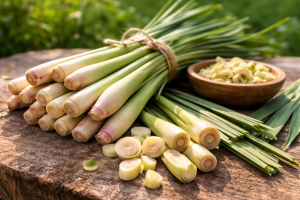
The natural approach to Alzheimer’s focuses on support rather than treatment. Herbs are selected not to cure the disease, but to assist the body in maintaining balance and function. Gotu Kola is featured in this remedy because of its long-standing traditional use in supporting brain health, cognition, and the nervous system.
Gotu Kola is often regarded as a nourishing herb for the brain. Traditionally, it has been used to support mental clarity, focus, and circulation, all of which are relevant when addressing cognitive decline. In the context of Alzheimer’s, Gotu Kola is approached as a gentle, supportive ally, particularly during earlier stages when forgetfulness and mild cognitive changes are present.
The use of Gotu Kola aligns with the holistic intention of reinforcing existing neurological function rather than attempting to force change. As with all natural support strategies, it is best used with intention, consistency, and professional guidance.
Guidance & Next Step
Alzheimer’s is a serious neurological condition that requires medical supervision, especially as symptoms progress. Holistic remedies and supportive herbs such as Gotu Kola are intended to complement, not replace, professional care.
The next step for individuals or caregivers is to approach support thoughtfully, seeking medical evaluation, maintaining a stable and supportive environment, and considering holistic strategies that align with long-term wellness goals. For personalized guidance, consultation with a qualified practitioner can help determine the most appropriate supportive approach based on individual needs and circumstances.
References
- Alzheimer’s Association. Alzheimer’s Disease Facts and Figures.
- National Institute on Aging. Alzheimer’s Disease Overview.
- Research findings on heavy metals and neurological health from post-mortem studies.
Herbal Precautions Disclaimer– The information provided in this post is for educational purposes only and is not intended as medical advice. Herbs may interact with medications or existing health conditions. Always consult a licensed healthcare professional before using herbal remedies, especially if you are pregnant, nursing, taking medications, or managing a medical condition.