Botanical Source: Claviceps purpurea
Common Name: Ergot
Plant Family: Clavicipitaceae
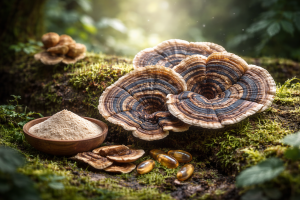
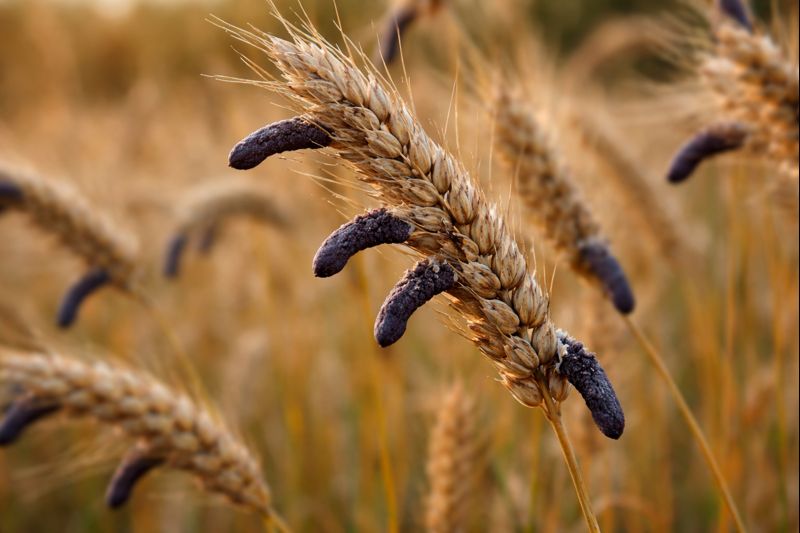
Ergot is not a traditional herb in the wellness sense but a toxic fungal growth that develops on rye and other cereal grains. It has a long and complex history in medicine, agriculture, and toxicology, making it one of the most well-documented examples of a natural substance that carries serious risk.
Origin & History
Ergot has been known for centuries, particularly in Europe, where outbreaks of ergot poisoning, historically referred to as St. Anthony’s Fire—caused severe illness, hallucinations, limb gangrene, and death. These outbreaks occurred when ergot-contaminated grains were unknowingly consumed.
In more recent history, compounds derived from ergot have been isolated and used pharmaceutically under strict medical supervision. However, the raw or herbal use of ergot has been associated with significant toxicity, which is why it is not recommended for general herbal use.
Due to its dangerous profile, ergot is listed among substances not recommended for use by the German Commission E, the authoritative body that evaluates the safety and efficacy of herbal substances.
Qualities & Traditional Use
Ergot contains potent alkaloids that strongly affect the nervous system and blood vessels. Historically, these compounds were observed to:
- Constrict blood vessels
- Stimulate uterine contractions
- Influence neurological signaling
While these effects led to controlled pharmaceutical applications, they also explain why ergot is not appropriate for self-directed herbal use. Unlike supportive herbs that gently influence the body, ergot acts forcefully and unpredictably.
Your Healing Begins Here
These guides focus on real women’s health challenges such as hormonal imbalance, mental wellness, inflammation, and everyday physical discomfort.
If you’re ready to stop searching for answers and start following a clear healing plan, these guides will help you take the first step on your wellness journey.
Toxic Components & Mechanism
Ergot contains ergot alkaloids, including compounds that act directly on serotonin, dopamine, and adrenergic receptors. These alkaloids cause intense vasoconstriction, reducing blood flow to tissues and organs.
This mechanism explains both its historical medical interest and its toxicity. When blood flow is restricted for prolonged periods, tissues are deprived of oxygen, increasing the risk of pain, numbness, tissue damage, and systemic complications.
Because ergot alkaloids are biologically powerful, even small amounts can have significant physiological effects.
Risks, Dangers & Side Effects
Exposure to ergot or ergot-derived substances may lead to serious adverse effects, including:
- Allergic reactions
- Severe headaches or migraines
- Nausea and vomiting
- Dizziness or confusion
- Hallucinations or neurological disturbances
- Reduced circulation leading to numbness or pain
- Muscle spasms or seizures
In severe cases, ergot exposure has been associated with long-term vascular damage and neurological injury.
Contraindications & Who Should Avoid It
Ergot should not be used by the general public or included in herbal protocols.
It is contraindicated for individuals who:
- Are pregnant or breastfeeding
- Have cardiovascular disease or circulation disorders
- Experience migraines or neurological conditions
- Have a history of allergies or hypersensitivity reactions
- Are taking medications that affect blood pressure, circulation, or neurotransmitters
Because of its toxicity and unpredictable effects, ergot should never be self-prescribed.
Best Practices / Precautions
Ergot is not suitable for herbal supplementation or wellness use.
Key precautions include:
- Avoiding ergot-containing products entirely
- Ensuring grain-based foods come from regulated sources
- Understanding that “natural” does not mean safe
- Seeking professional medical care if exposure is suspected
At SheFit Wellness, ergot is recognized as a historical and pharmacological substance, not a therapeutic herb.
Summary
Ergot is a powerful natural compound with a long history of harm when misused or consumed unknowingly. Its effects on blood flow and the nervous system make it highly dangerous outside of controlled pharmaceutical settings.
At SheFit Wellness, ergot is viewed as a clear example of why herbal precautions matter. Its inclusion on the German Commission E list of substances not recommended for use reinforces the importance of informed, intentional, and responsible approaches to natural healing.
References
- Ergot- The History and Break Down of Fungi
- Ergot: The Psychoactive Fungus that Changed History
- From Poisoning to Pharmacy