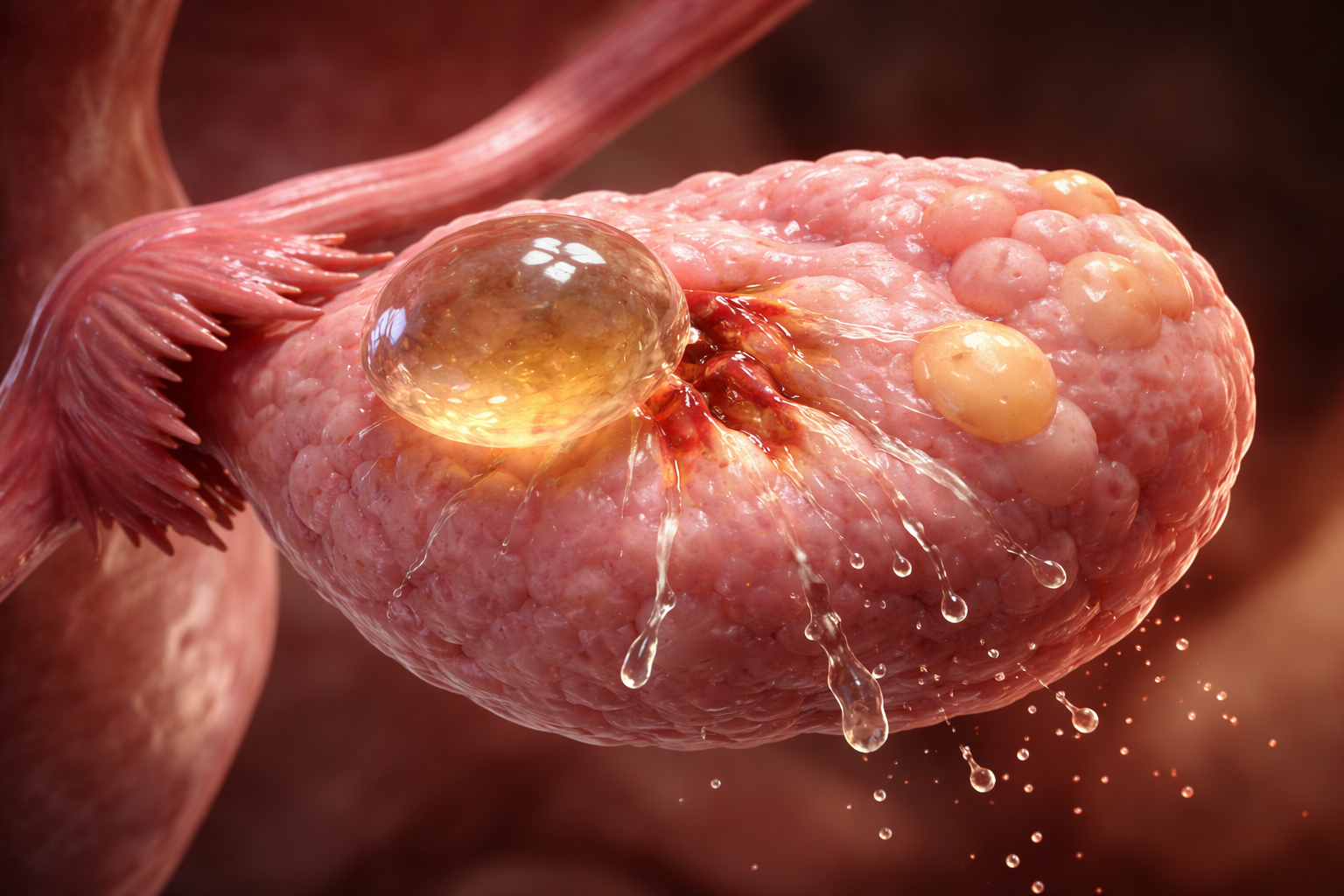
Ovarian cysts are more common than most women realize, yet they are often misunderstood. For some, they go unnoticed. For others, they bring discomfort, disruption, and confusion about what is happening inside the body. The truth is, your body is communicating with you. And when ovarian cysts develop, it is often a sign that something deeper is out of balance. Healing begins when you stop ignoring the signal and start understanding it.
Understanding What’s Happening in the Body
The ovaries are made up of small sacs called follicles. Each follicle contains an egg. Every month, one of these follicles matures, ruptures, and releases an egg during ovulation.
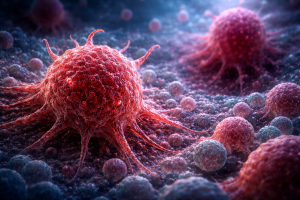
Ovarian cysts form when that process does not happen correctly. Instead of rupturing, the follicle continues to grow and becomes enlarged. This is what is known as a cyst.
There are two main types:
Functional cysts are typically small and often resolve on their own during the menstrual cycle.
Pathological cysts are more complex and are usually linked to underlying disease processes.
When cysts form, it often indicates that estrogen is being produced in excess or at the wrong time in the cycle. This hormonal imbalance disrupts the natural rhythm of ovulation and leads to improper follicle development.
Root Causes & Contributing Factors
- Hormonal imbalance
When estrogen is produced in excess or at the wrong time, it disrupts ovulation and prevents follicles from rupturing properly. - Insulin resistance
Elevated insulin levels stimulate ovarian activity and can contribute to abnormal follicle growth. - Excess body fat
Fat tissue produces estrogen, which can further increase hormonal imbalance and contribute to cyst formation. - Underlying disease conditions
Pathological cysts are often connected to deeper reproductive or endocrine issues. - Nutrient and lifestyle imbalance
Disruptions in diet, stress levels, and metabolic health can interfere with the body’s ability to regulate hormones effectively.
SheFit’s Holistic View
Ovarian cysts are not just a reproductive issue. They are a reflection of hormonal timing being off.
Your body is not failing. It is responding to the environment you have created internally.
When estrogen rises at the wrong time, the body cannot complete its natural cycle. The follicle holds on instead of releasing. And that is where the problem begins.
Healing is not about forcing the cyst to disappear. It is about restoring rhythm. It is about creating an internal environment where the body can function the way it was designed to.
That takes consistency. That takes awareness. And more than anything, it takes patience.
Supportive Considerations for Healing
- Weight management
Reducing excess body fat helps decrease additional estrogen production from fat tissue, which supports hormonal balance. - Blood sugar control
Lowering insulin levels helps reduce stimulation of the ovaries and prevents abnormal follicle development. - Cycle awareness
Understanding your menstrual cycle allows you to support your body at the right time instead of working against it. - Nutritional support
A balanced diet supports hormone regulation and reduces internal stress on the endocrine system. - Consistency over time
Herbal healing is not immediate. It requires at least three months of consistent support before noticeable changes occur.
The Natural Way to Treat
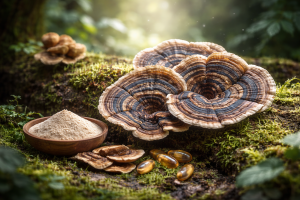
Dong quai, also known as Angelica sinensis, is a traditional herb used to support women’s reproductive health. For ovarian cysts, it is valued for its ability to help regulate the menstrual cycle and relieve discomfort associated with hormonal imbalance.
The recommended form is freeze dried dong quai root in capsule form. It is typically used during the two weeks following the menstrual cycle and then discontinued for the next two weeks. This timing supports the body during the phase when hormonal regulation is most critical.
Dong quai may help relieve pain associated with ovarian cysts and support proper circulation within the reproductive system.
However, precaution is necessary. Not all forms of dong quai act the same way. Different preparations can have varying effects on the uterus, and using the wrong type may lead to unwanted stimulation.
Herbal support should always be used with intention and awareness of how the body responds.
Guidance & Next Step
Healing ovarian cysts is not about finding a quick fix. It is about restoring balance over time.
If you are ready to take a more intentional approach, start with understanding your body and supporting it consistently. The SheFit Wellness Prescription Guides are designed to walk you through that process step by step, giving you clarity instead of confusion.
And if you need deeper support, a consultation can help you identify exactly what your body needs so you are not guessing your way through healing.
References
- National Center for Biotechnology Information. Ovarian Cysts Overview
- Johns Hopkins Medicine. Ovarian Cysts
- National Center for Biotechnology Information. Angelica sinensis in women’s health
- National Institutes of Health. Hormone imbalance and reproductive health
Herbal Precautions Disclaimer– The information provided in this post is for educational purposes only and is not intended as medical advice. Herbs may interact with medications or existing health conditions. Always consult a licensed healthcare professional before using herbal remedies, especially if you are pregnant, nursing, taking medications, or managing a medical condition.