Botanical & Common Names
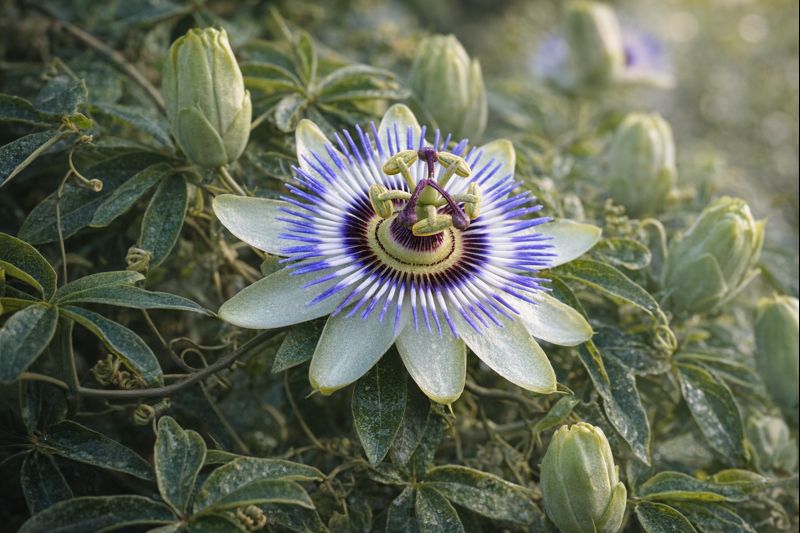
Botanical Name: Passiflora caerulea
Common Names: Blue Passionflower, Blue Crown Passionflower
Plant Family: Passifloraceae
Origin & History
Blue Passionflower is native to South America and has been cultivated in various regions for both ornamental and traditional herbal use. While passionflower species have a long history in calming and nervous system support, Passiflora caerulea is distinct from other commonly used varieties and requires careful consideration.
Historically, Blue Passionflower has been used in traditional practices for restlessness and nervous tension. However, it has also been recognized that this particular species carries stronger properties than other passionflower varieties, which is why it is approached more cautiously in modern herbal use.
Qualities & Traditional Use
Blue Passionflower is traditionally associated with calming the nervous system. It has been used to support relaxation, reduce mental agitation, and encourage rest. These qualities made it appealing in times of stress, anxiety, or emotional tension.
That said, Passiflora caerulea is not the most commonly recommended passionflower species for routine use. Its strength and chemical makeup place it in a category that requires informed, intentional application rather than casual or long-term use.
Your Healing Begins Here
These guides focus on real women’s health challenges such as hormonal imbalance, mental wellness, inflammation, and everyday physical discomfort.
If you’re ready to stop searching for answers and start following a clear healing plan, these guides will help you take the first step on your wellness journey.
Toxic Components & Mechanism
Blue Passionflower contains compounds that can have sedative and nervous system–affecting properties. Some parts of the plant, particularly when improperly prepared or consumed in excess, may produce undesirable effects on the body.
The mechanism of concern lies in how these compounds interact with the central nervous system. In sensitive individuals, they may overstimulate or overly suppress neurological activity, leading to side effects rather than calming benefits.
Risks, Dangers & Side Effects
Potential side effects of Blue Passionflower may include dizziness, confusion, nausea, and excessive drowsiness. In some cases, individuals may experience headaches or gastrointestinal discomfort.
Because of its sedative nature, Blue Passionflower may amplify the effects of other substances that depress the nervous system. This increases the risk of excessive sedation or impaired alertness, particularly when combined with medications or other calming herbs.
Contraindications & Who Should Avoid It
Blue Passionflower should be avoided by individuals who are pregnant or breastfeeding, as herbs that influence the nervous system may interfere with the body’s natural balance during these sensitive stages. It is also not appropriate for children or teens unless directed by a qualified practitioner.
Those taking medications that affect mood, anxiety, sleep, or the nervous system should use caution. Blue Passionflower may intensify the effects of sedatives, sleep aids, anxiety medications, or antidepressants, potentially leading to excessive drowsiness, mental fog, or slowed reaction time.
Individuals with neurological conditions or a known sensitivity to calming or sedating herbs should avoid self-use. Because this herb acts on the nervous system, it may cause unwanted reactions such as dizziness, confusion, headaches, or nausea in sensitive individuals.
Blue Passionflower is also not recommended for people who need to remain fully alert for daily activities such as driving, operating equipment, or providing care to others, as it may impair focus or responsiveness.
Best Practices / Precautions
Blue Passionflower should only be used under the guidance of a knowledgeable herbal practitioner. It is not intended for daily, long-term use and should never be self-prescribed without understanding the specific species involved.
If nervous system support is the goal, other passionflower varieties or gentler herbs may be more appropriate. Always verify the botanical name before use, as different species of passionflower vary significantly in safety and strength.
Summary
While Blue Passionflower has a history of traditional use for calming the nervous system, it carries a higher risk profile than other passionflower species. Its sedative effects and potential interactions make it unsuitable for casual or unsupervised use.
At SheFit Wellness, safety comes first. Blue Passionflower is approached with caution and respect, ensuring that nervous system support does not come at the expense of overall well-being.
References
- Mount Sinai Health Library. Passionflower overview and safety considerations.
- National Center for Complementary and Integrative Health. Herbal safety resources.
- Botanical texts on Passiflora species differentiation and risk profiles.
Herbal Precautions Disclaimer- The information provided in this post is for educational purposes only and is not intended as medical advice. Herbs may interact with medications or existing health conditions. Always consult a licensed healthcare professional before using herbal remedies, especially if you are pregnant, nursing, taking medications, or managing a medical condition