Botanical & Common Names
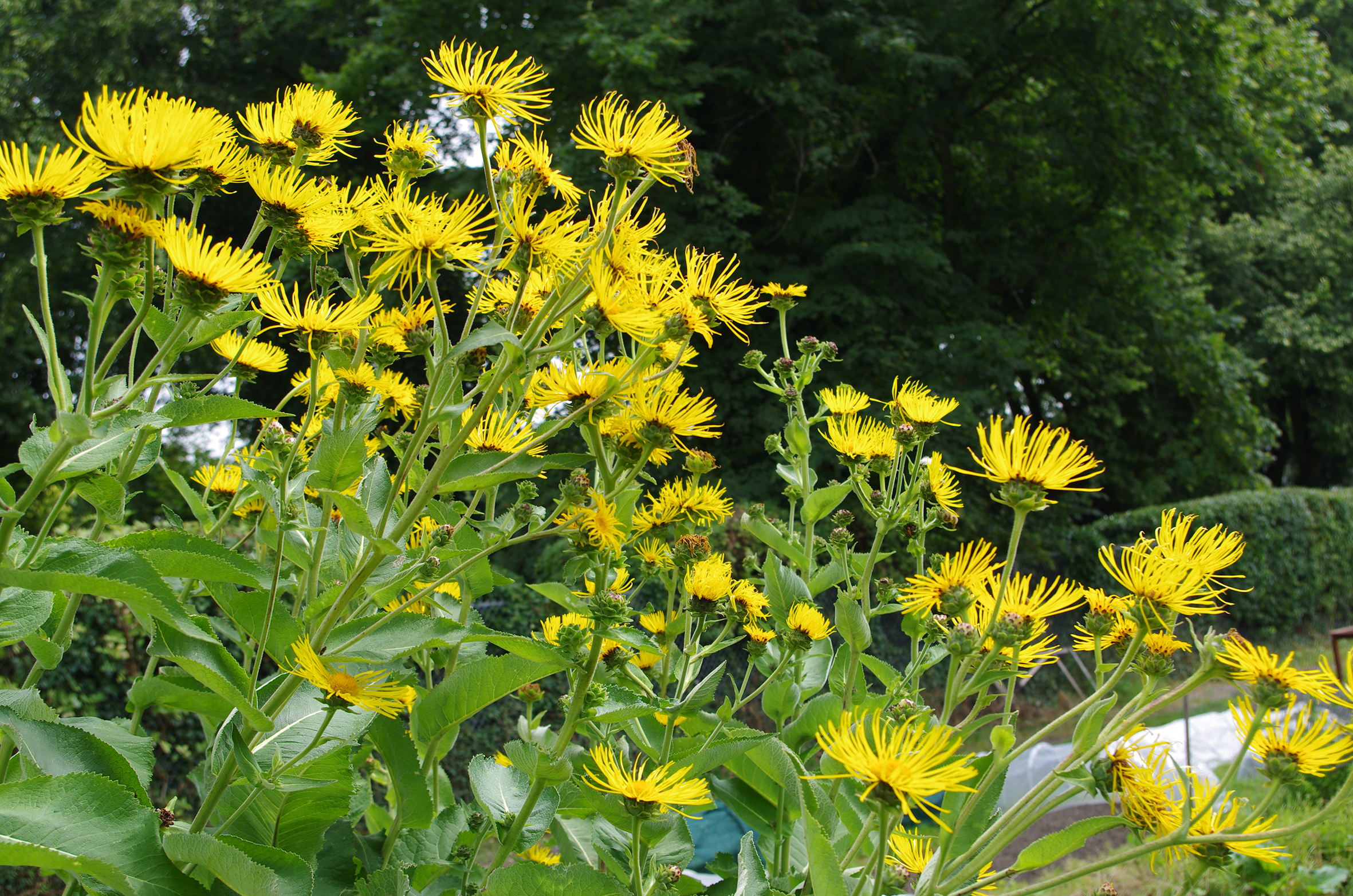
Latin / Scientific Name: Inula helenium
Common Names: Elecampane, Horseheal, Elfwort, Scabwort
Family: Asteraceae (Daisy family)
Origin & History
Elecampane is a perennial plant native to Europe and parts of Western Asia, with a long-standing history in traditional European herbalism. It was commonly used by the Greeks and Romans, particularly for respiratory complaints, digestive stagnation, and general weakness. Historically, elecampane root was considered a warming, strengthening herb and was often prepared as a decoction, syrup, or infused honey.
In medieval herbal traditions, elecampane earned the name “horseheal” due to its use in livestock and its reputation for restoring strength after illness. It was also associated with lung health and was frequently included in formulas for chronic coughs, congestion, and chest tightness. While elecampane has a respected place in traditional medicine, modern herbalism places greater emphasis on understanding its biochemical activity and potential risks, especially for women over 40 with sensitivities, chronic conditions, or complex health histories.
Qualities & Traditional Use
Elecampane is classified as a warming, stimulating, and expectorant herb. Traditionally, it has been used to support:
- Respiratory function, particularly for deep, lingering congestion
- Digestive stimulation, especially in cases of sluggish digestion
- Mucus clearance from the lungs and sinuses
- Appetite support during recovery from illness
The root contains bitter compounds that stimulate digestion and aromatic compounds that affect the respiratory tract. From a traditional perspective, elecampane was often reserved for stubborn conditions rather than mild or acute issues. This distinction is important because stronger herbs tend to require greater respect and discernment in modern use.
Your Healing Begins Here
These guides focus on real women’s health challenges such as hormonal imbalance, mental wellness, inflammation, and everyday physical discomfort.
If you’re ready to stop searching for answers and start following a clear healing plan, these guides will help you take the first step on your wellness journey.
Toxic Components & Mechanism
Elecampane contains several active constituents, most notably sesquiterpene lactones, including alantolactone and isoalantolactone. These compounds are largely responsible for the herb’s therapeutic effects, but they are also the primary source of potential adverse reactions.
Sesquiterpene lactones can be irritating to the gastrointestinal lining and may trigger allergic reactions in sensitive individuals, particularly those with known sensitivities to plants in the Asteraceae family. These compounds interact with the immune system and digestive tract, which explains both elecampane’s effectiveness and its potential for irritation when used improperly or in excess.
Additionally, elecampane contains inulin, a type of prebiotic fiber. While inulin can support gut health in some individuals, it may cause bloating, gas, or digestive discomfort in others—especially those with sensitive digestion or existing gut imbalances.
Risks, Dangers & Side Effects
Elecampane is generally considered safe when used appropriately and in small amounts, but it is not a gentle herb. Potential risks and side effects include:
- Gastrointestinal irritation, including nausea or stomach discomfort
- Allergic skin reactions, such as rashes or itching
- Increased mucus movement that may feel uncomfortable for some users
- Digestive bloating or gas due to inulin content
In higher doses, elecampane may overstimulate the digestive or respiratory systems. Prolonged use without guidance is not recommended, particularly for individuals with underlying health conditions. As with many traditional herbs, the line between helpful and harmful depends on dosage, preparation method, and individual constitution.
Contraindications & Who Should Avoid It
Elecampane is not appropriate for everyone. Certain populations should exercise caution or avoid use altogether due to potential adverse effects or interactions.
Avoid use if you are:
- Pregnant or breastfeeding
- Allergic to plants in the Asteraceae (daisy) family
- Prone to allergic skin reactions or contact dermatitis
- Managing chronic gastrointestinal inflammation
- Sensitive to bitter or strongly warming herbs
Women with autoimmune conditions or heightened immune sensitivity should be especially cautious, as elecampane’s active compounds can provoke immune responses in some individuals.
Best Practices / Precautions
If elecampane is being considered, the following best practices should be observed:
- Use only under the guidance of a trained herbalist or healthcare professional
- Start with very small doses to assess tolerance
- Avoid long-term or daily use without supervision
- Discontinue use immediately if irritation, rash, or digestive discomfort occurs
- Do not combine with other strong respiratory or bitter herbs without professional guidance
Elecampane is best viewed as a targeted, short-term support herb, not a daily wellness tonic. Respecting its strength is essential for safe use.
Summary
Elecampane is a powerful traditional herb with a long history of use for respiratory and digestive support. Its warming, stimulating nature makes it effective in specific situations, but those same qualities also introduce risk when used improperly. The presence of sesquiterpene lactones and inulin means that elecampane can irritate sensitive systems and trigger allergic responses in certain individuals.
For women over 40, especially those navigating hormonal shifts, immune sensitivity, or digestive concerns, elecampane should be approached with discernment. It is not a beginner herb, nor is it meant for casual or prolonged use. When respected and used appropriately, elecampane can be supportive—but caution is not optional.
At SheFit Wellness, the priority is informed, intentional healing. Knowing when not to use an herb is just as important as knowing when to use one.
References
- European Medicines Agency (EMA) Herbal Monographs
- Botanical Safety Handbook, American Herbal Products Association
- Materia Medica of Western Herbs
- Herbal Pharmacology and Therapeutics Texts
Herbal Precautions Disclaimer– The information provided in this herbal precautions post is for educational purposes only and is not intended as medical advice. Herbal information shared through SheFit Wellness reflects traditional use, general research, and holistic education.