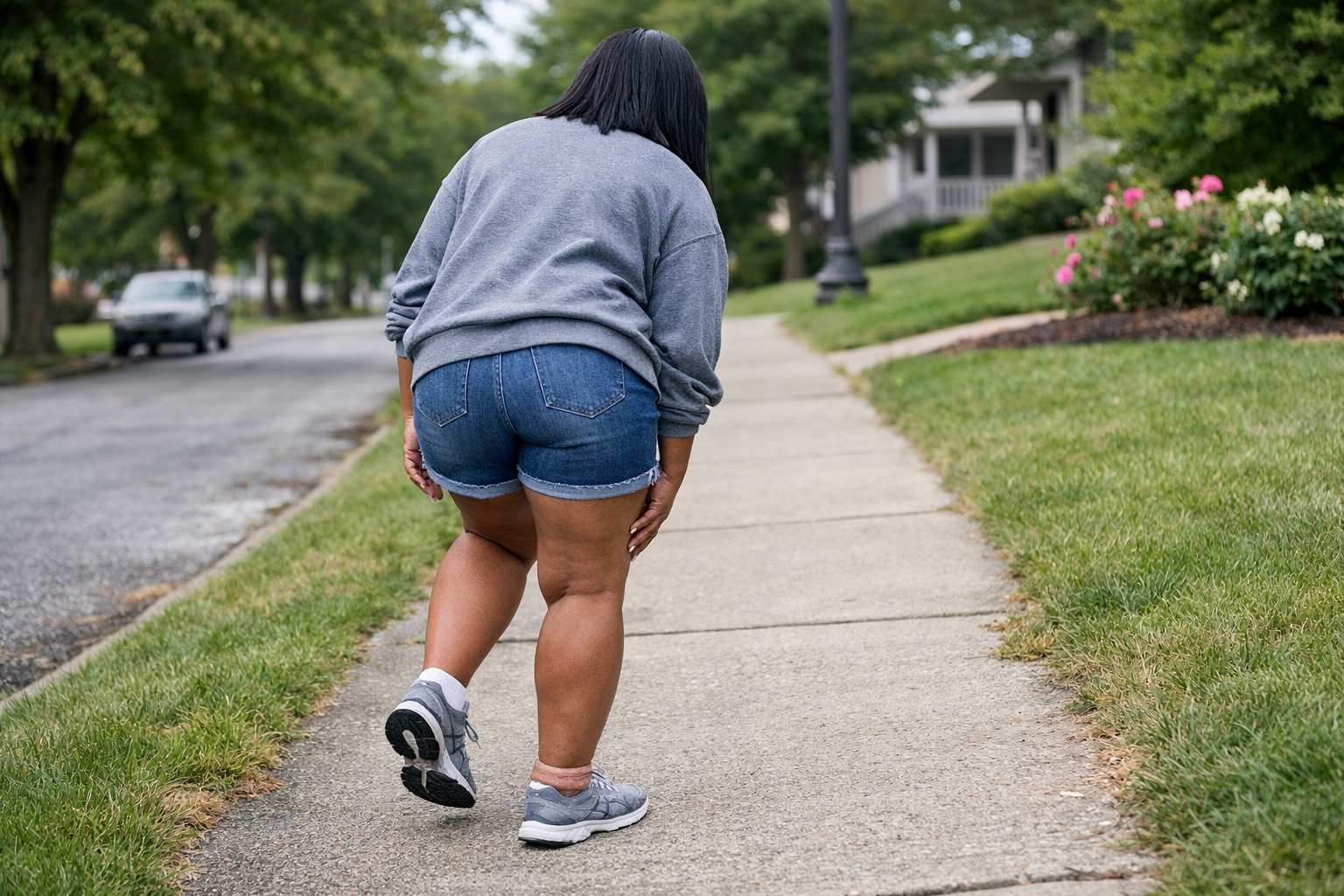
Swelling in the ankles and feet is a common concern experienced by many adults and is often painless in the early stages. While occasional swelling may seem harmless, persistent fluid buildup should never be ignored. Many people notice their shoes feeling tighter or their ankles appearing enlarged by the end of the day. In some cases, pressing on the swollen area may leave a deep indentation that slowly fills back in, a condition commonly known as fluid retention.
This type of swelling occurs when excess fluid moves out of the small blood vessels, called capillaries, and collects in the surrounding tissues instead of returning properly through circulation. Although swelling can develop for simple reasons such as long periods of sitting or standing, it may also signal deeper imbalance within the cardiovascular, hormonal, or lymphatic systems.
Understanding What’s Happening in the Body
Swollen ankles develop when fluid escapes from the bloodstream and becomes trapped within body tissues. Normally, circulation and lymphatic drainage move fluid back toward the heart where it can be filtered and eliminated. When this system slows down or becomes overwhelmed, fluid begins to pool in the lowest parts of the body due to gravity.
Poor vein strength, reduced circulation, hormonal shifts, or organ stress can interfere with this normal movement of fluid. As pressure builds within the vessels, leakage into surrounding tissue increases. Over time, this leads to visible swelling, heaviness in the legs, and discomfort. The body is essentially holding fluid instead of properly circulating it.
Root Causes & Contributing Factors
Swollen ankles rarely occur without an underlying reason. Several conditions and lifestyle factors may contribute to fluid retention, including:
- Hormonal imbalance, which can cause the body to retain sodium and water, especially during PMS or hormonal transitions.
- Congestive heart failure, where weakened heart function slows circulation and allows fluid to accumulate in the lower extremities.
- Kidney dysfunction, which reduces the body’s ability to properly remove excess fluid and waste.
- Salt imbalance, often linked to processed food intake, causing water retention within tissues.
- Varicose veins, which weaken vein valves and prevent blood from efficiently returning to the heart.
- Injuries, burns, sunburns, insect bites, or infections, including certain sexually transmitted infections such as gonorrhea, which may trigger localized inflammation and swelling.
- Medication use, including antidepressants, calcium channel blockers, chemotherapy agents, hormone replacement therapy, testosterone or estrogen therapy, and oral contraceptives, all of which may influence fluid balance and circulation.
Understanding these contributing factors helps shift focus from temporary relief toward correcting the underlying imbalance.
SheFit Wellness Holistic View
At SheFit Wellness, swelling in the ankles is viewed as a circulation and fluid movement issue rather than simply excess water in the body. When blood vessels lose tone or circulation slows, fluid stagnation begins to develop. From a holistic perspective, this stagnation reflects weakened venous return, poor movement, or internal imbalance affecting how fluids travel through the body.
The body depends on strong vessel walls, proper protein intake, and active muscle movement to push fluid upward against gravity. When these systems are compromised, swelling becomes the body’s signal that circulation requires support. Healing focuses on restoring movement, strengthening vascular integrity, and improving overall fluid regulation rather than forcing rapid fluid loss.
Supportive Considerations for Healing
Supporting recovery from swollen ankles requires consistent lifestyle adjustments that encourage healthy circulation and fluid balance.
- Eating adequate protein at each meal, whether from animal or plant sources, helps maintain proper fluid balance because protein supports pressure within blood vessels that prevents leakage into tissues.
- Taking Vitamin C regularly supports collagen production and helps strengthen blood vessel walls, improving vascular integrity over time.
- Avoiding long periods of sitting or standing allows circulation to remain active and prevents fluid from pooling in the lower legs.
- Avoiding constricting clothing or garters around the upper legs prevents restriction of blood flow returning toward the heart.
- Limiting processed foods reduces excess sodium intake, which contributes directly to fluid retention.
- Exercising the legs regularly activates muscle contractions that naturally push fluid back through veins and improve circulation.
These supportive practices help the body gradually correct fluid buildup rather than temporarily masking symptoms.
The Natural Way to Treat: Horse Chestnut
Horse Chestnut has long been used in traditional herbal medicine to support vein strength and improve circulation in the lower extremities. The herb contains active compounds known as aescin, which help tone blood vessel walls and reduce fluid leakage from capillaries into surrounding tissue.
By strengthening vascular structure, Horse Chestnut helps fluid remain within circulation where it can properly move back toward the heart. This makes it especially helpful in cases involving venous insufficiency and swelling linked to poor circulation or varicose veins.
Herbal treatments for swollen ankles is gradual rather than immediate. Consistent use may require three to six months before noticeable improvement occurs, as the goal is rebuilding vessel strength and restoring normal fluid movement rather than forcing rapid drainage.
Guidance & Next Step
While herbal support can be effective over time, swollen ankles should always be monitored carefully. Immediate medical attention is necessary if swelling occurs alongside shortness of breath, chest pain, difficulty speaking, inability to urinate, sudden weight gain of more than six pounds within three days, or an unusually slow or rapid heartbeat. These symptoms may indicate a serious medical condition requiring urgent care.
Holistic healing works best when the body is supported consistently and intentionally. If swelling persists or worsens, individualized guidance may be necessary to address deeper circulatory or systemic imbalance.
References
- National Center for Biotechnology Information (NCBI) — Peripheral Edema Overview
- Cochrane Database of Systematic Reviews — Horse Chestnut Seed Extract for Chronic Venous Insufficiency
- National Center for Biotechnology Information (NCBI) — Horse Chestnut Seed Extract Review
- PubMed Clinical Trial — Edema Reduction with Horse Chestnut Extract
- Peripheral Edema Treatment Overview — Clinical Evidence Review
Herbal Precautions Disclaimer– The information provided in this post is for educational purposes only and is not intended as medical advice. Herbs may interact with medications or existing health conditions. Always consult a licensed healthcare professional before using herbal remedies, especially if you are pregnant, nursing, taking medications, or managing a medical condition.