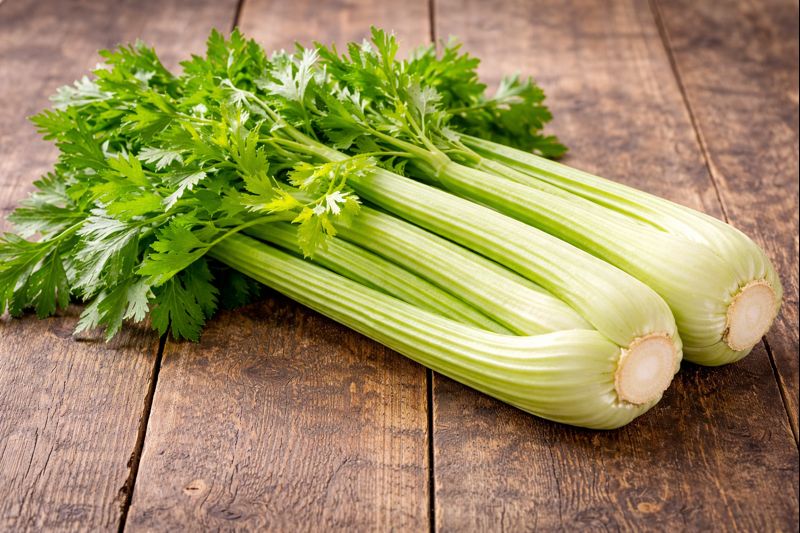
Latin / Scientific Name: Apium graveolens
Common Names: Celery, Wild Celery, Garden Celery
Family: Apiaceae (Parsley family)
Origin & History
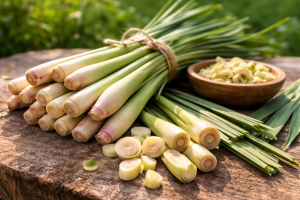
Celery (Apium graveolens) is a biennial plant native to the Mediterranean region and parts of the Middle East. Historically, celery was not originally cultivated as a vegetable but rather as a medicinal plant. Ancient Egyptians, Greeks, and Romans used celery for digestive support, urinary issues, joint discomfort, and as a mild calming agent. It was also associated with detoxification practices due to its diuretic properties.
In traditional herbal systems, celery seed was more commonly used than the stalks we consume today. Over time, selective cultivation reduced bitterness and increased palatability, transforming celery into a dietary staple. Despite its reputation as a “harmless” food, celery retains potent biochemical compounds that deserve respect, particularly when used medicinally or in concentrated forms.
Qualities & Traditional Use
Celery is considered:
• Cooling
• Drying
• Diuretic
• Mildly sedative
• Anti-inflammatory
Traditionally, celery and celery seed have been used to support:
• Urinary tract health
• Fluid balance and water retention
• Joint discomfort and gout
• Digestive sluggishness
• Nervous tension and restlessness
Celery seed, in particular, has been used for its volatile oils and flavonoids, which influence circulation, kidney function, and inflammatory pathways. While culinary celery is relatively mild, medicinal preparations significantly increase potency and therefore risk.
Your Healing Begins Here
These guides focus on real women’s health challenges such as hormonal imbalance, mental wellness, inflammation, and everyday physical discomfort.
If you’re ready to stop searching for answers and start following a clear healing plan, these guides will help you take the first step on your wellness journey.
Toxic Components & Mechanism
Celery contains several naturally occurring compounds that can become problematic in certain contexts:
• Furanocoumarins (including psoralens)
• Volatile oils (limonene, selinene)
• Nitrates (in high concentrations)
Furanocoumarins are photoreactive compounds that can increase sensitivity to ultraviolet (UV) light. When consumed in large amounts or in concentrated extracts, these compounds can interact with sunlight and trigger phototoxic reactions in sensitive individuals.
Celery seed oils are particularly potent and act on smooth muscle tissue, kidney filtration, and blood pressure regulation. This makes celery seed therapeutically useful but also potentially risky when misused.
Risks, Dangers & Side Effects
While celery is widely consumed as food, risks increase when it is used medicinally, juiced excessively, or taken in supplement form.
Potential risks include:
• Increased photosensitivity and skin reactions
• Allergic reactions ranging from mild itching to severe anaphylaxis
• Excessive diuresis leading to dehydration and electrolyte imbalance
• Blood pressure drops in sensitive individuals
• Gastrointestinal irritation in large doses
Celery is one of the most common food allergens in Europe, and celery allergy can be severe. Symptoms may include swelling of the lips and throat, hives, difficulty breathing, or digestive distress.
Excessive celery juice consumption has also been associated with lightheadedness, fatigue, and mineral depletion due to its diuretic nature.
Contraindications & Who Should Avoid It
Celery should be approached cautiously or avoided entirely by certain populations, especially in medicinal or concentrated forms.
Celery may not be appropriate for individuals with:
• Known celery or pollen-related allergies
• Kidney inflammation or severe kidney disease
• Low blood pressure
• Bleeding disorders
• Active skin conditions aggravated by sunlight
Celery seed preparations are not equivalent to culinary celery and should never be assumed safe simply because celery is a common food.
Avoid Use If You Are:
• Pregnant or trying to conceive (especially celery seed or extracts)
• Breastfeeding without professional guidance
• Allergic to celery, carrots, parsley, or mugwort
• Taking diuretics, lithium, or blood pressure medications
• Prone to photosensitive skin reactions
Celery seed has historically been used as an emmenagogue, meaning it may stimulate uterine activity. For this reason, medicinal celery preparations are not recommended during pregnancy.
Best Practices / Precautions
To use celery safely and responsibly:
• Consume celery primarily as a whole food rather than concentrated extracts
• Avoid excessive juicing or mono-juicing protocols
• Use celery seed supplements only under professional guidance
• Stay well-hydrated to prevent electrolyte imbalance
• Avoid prolonged sun exposure when consuming large amounts medicinally
If using celery for therapeutic purposes, dosage and duration matter. More is not better, and subtle support is often more effective than aggressive use.
Summary
Celery is often overlooked as a medicinal herb because of its everyday presence in the diet. However, its biochemical activity, especially in seed and extract form, makes it a plant that should be used with intention and respect. While celery can support digestion, fluid balance, and inflammation when used appropriately, it also carries risks related to allergies, photosensitivity, kidney stress, and blood pressure changes.
At SheFit Wellness, we recognize that even common plants can become problematic when misused. Understanding both the benefits and the precautions of celery allows for informed, responsible wellness decisions rooted in awareness and accountability.
References
- European Food Safety Authority (EFSA) – Celery allergy and furanocoumarins
- Botanical Safety Handbook, American Herbal Products Association
- Mills, S. & Bone, K. Principles and Practice of Phytotherapy
- World Health Organization Monographs on Selected Medicinal Plants
- Natural Medicines Database – Apium graveolens
Herbal Precautions Disclaimer- The information provided in this herbal precautions post is for educational purposes only and is not intended as medical advice. Herbal information shared through SheFit Wellness reflects traditional use, general research, and holistic education.