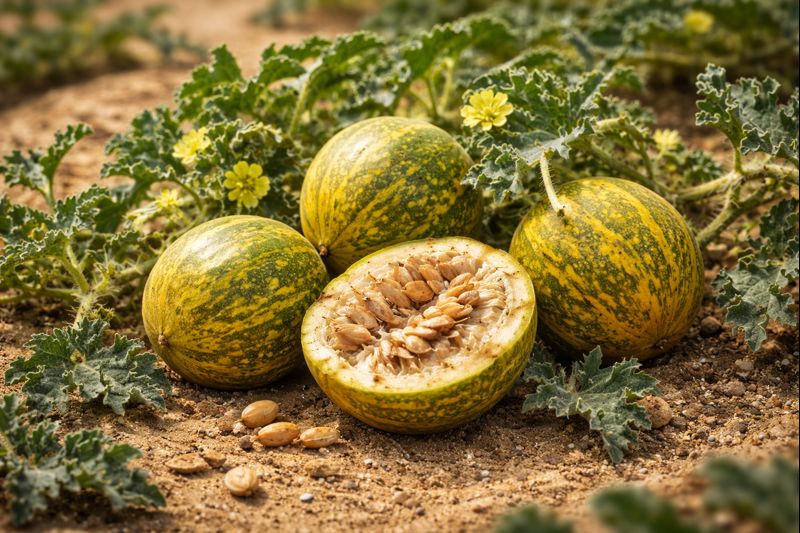
Latin / Scientific Name: Citrullus colocynthis
Common Names: Colocynth, Bitter Apple, Desert Gourd, Vine of Sodom
Family: Cucurbitaceae (Gourd family)
Origin & History
Colocynth is a perennial vine native to arid regions of North Africa, the Middle East, and parts of South Asia. It thrives in desert climates and produces a small, round fruit resembling a melon, historically known for its extreme bitterness and potent medicinal action.
In ancient Egyptian, Greek, Arabic, and Ayurvedic medicine, colocynth was used primarily as a strong purgative. It was employed to induce bowel evacuation in cases of severe constipation, poisoning, or perceived internal toxicity. Physicians such as Hippocrates and Avicenna documented its use, but even in historical texts, colocynth was recognized as dangerous and was often administered in very small, controlled doses or combined with other herbs to reduce harm.
Over time, colocynth fell out of favor in modern herbalism due to its high toxicity and narrow margin of safety.
Qualities & Traditional Use
Colocynth is considered:
• Extremely bitter
• Drastic
• Strongly purgative
• Cooling
• Depleting
Traditionally, colocynth was used to:
• Induce strong laxative effects
• Expel perceived toxins
• Treat severe constipation
• Address parasitic infections (historical use)
It was never considered a gentle or nourishing herb and was reserved for acute situations under strict supervision.
Your Healing Begins Here
These guides focus on real women’s health challenges such as hormonal imbalance, mental wellness, inflammation, and everyday physical discomfort.
If you’re ready to stop searching for answers and start following a clear healing plan, these guides will help you take the first step on your wellness journey.
Toxic Components & Mechanism
Colocynth contains several highly active and toxic compounds, including:
• Cucurbitacins
• Resins and glycosides
Cucurbitacins are powerful compounds that irritate the gastrointestinal tract and stimulate intense bowel contractions. This mechanism is responsible for colocynth’s purgative action but also explains its severe toxicity. These compounds can damage intestinal lining, disrupt electrolyte balance, and provoke systemic inflammatory responses.
Even small doses can result in violent gastrointestinal distress, and higher doses may lead to organ damage.
Risks, Dangers & Side Effects
Colocynth is considered unsafe for internal use in modern herbal practice.
Potential risks include:
• Severe abdominal pain and cramping
• Profuse diarrhea
• Vomiting
• Dehydration and electrolyte imbalance
• Gastrointestinal bleeding
• Kidney and liver damage
• Cardiovascular collapse in extreme cases
There are documented cases of hospitalization and death associated with colocynth ingestion.
Contraindications & Who Should Avoid It
Colocynth should be avoided entirely by most individuals.
It is contraindicated in people with:
• Gastrointestinal disorders
• Kidney or liver disease
• Cardiovascular conditions
• Inflammatory bowel disease
• Chronic illness or weakened constitution
Colocynth is not appropriate for self-treatment or casual herbal use under any circumstances.
Avoid Use If You Are:
• Pregnant or trying to conceive
• Breastfeeding
• Elderly or immunocompromised
• Experiencing digestive weakness
• Managing chronic illness
• Taking medications that affect fluid or electrolyte balance
Colocynth has historically been associated with uterine stimulation and miscarriage and should never be used during pregnancy.
Best Practices / Precautions
From a modern herbal safety perspective:
• Colocynth should not be used internally
• It should only be studied historically or academically
• External handling should be done with care
• Never include colocynth in home formulations
• Do not substitute historical use for modern safety standards
At SheFit Wellness, colocynth is acknowledged for its historical relevance, not promoted for therapeutic use.
Summary
Colocynth is a powerful reminder that not all plants are safe simply because they are natural. While it played a role in ancient medicine, its extreme toxicity and unpredictable effects make it inappropriate for modern internal use. The risks far outweigh any potential benefit, especially when safer and more effective alternatives exist.
At SheFit Wellness, colocynth is approached with education, caution, and accountability. Understanding its dangers reinforces the importance of informed herbal practice and respecting the body’s limits rather than forcing drastic intervention.
References
- World Health Organization – Monographs on Medicinal Plants
- Botanical Safety Handbook – American Herbal Products Association
- European Medicines Agency (EMA) – Herbal substance safety data
- Mills, S. & Bone, K. Principles and Practice of Phytotherapy
- National Center for Biotechnology Information (NCBI)
Herbal Precautions Disclaimer- The information provided in this herbal precautions post is for educational purposes only and is not intended as medical advice. Herbal information shared through SheFit Wellness reflects traditional use, general research, and holistic education.