Botanical & Common Names
Latin / Scientific Name: Piper methysticum
Common Names: Kava, Kava Kava, Awa, Ava Root, Intoxicating Pepper
Family: Piperaceae
Origin & History
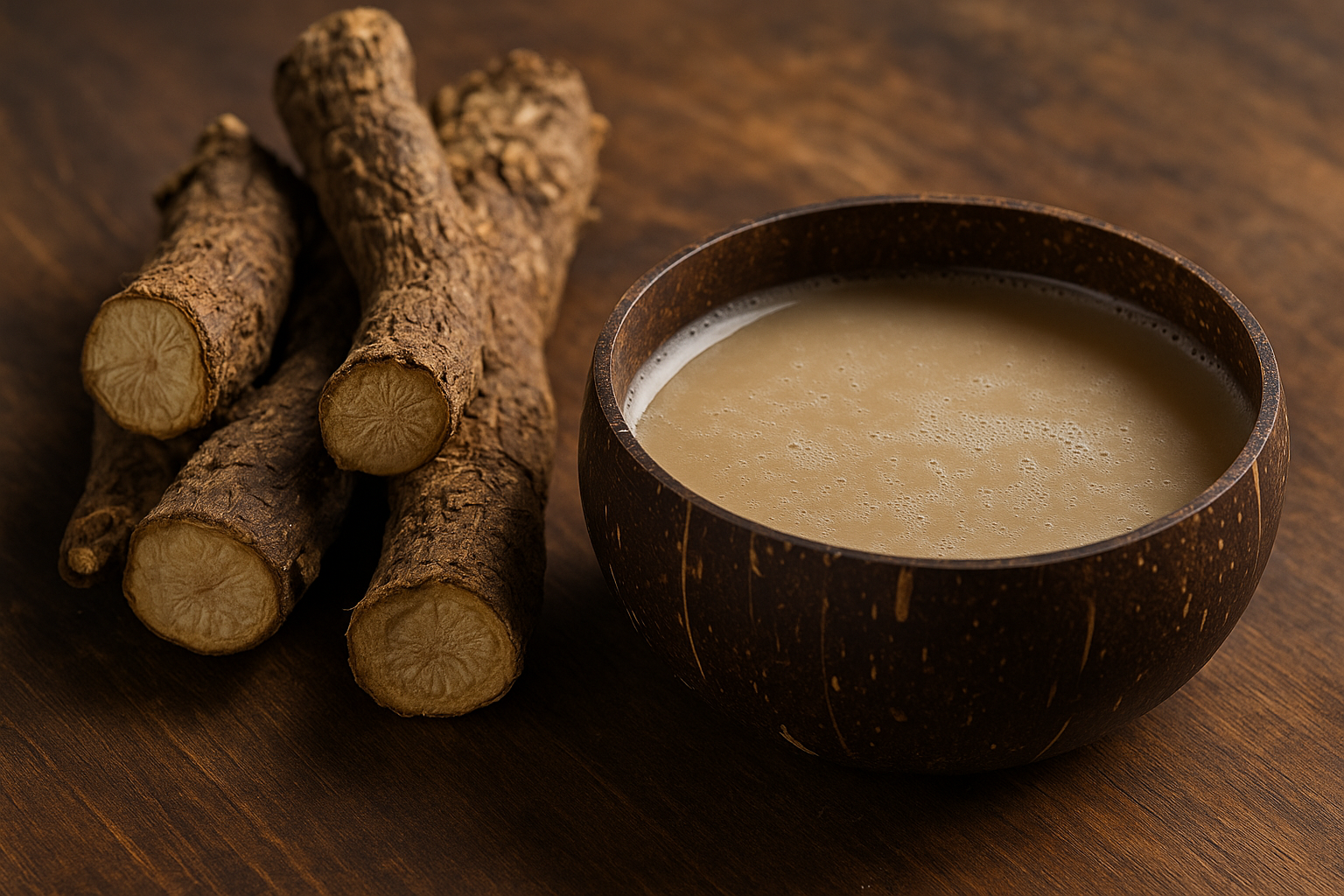
Kava is a tropical plant native to the South Pacific islands, where it has been used ceremonially and medicinally for over 3,000 years. Indigenous cultures of Fiji, Tonga, and Vanuatu prepared Kava root beverages for relaxation, spiritual connection, and social bonding. In Polynesian traditions, it was considered sacred, used to honor guests, ease anxiety, and promote peaceful states of mind. Western herbalists later adopted Kava for its calming and anxiolytic properties, promoting it as a natural alternative to pharmaceutical tranquilizers. However, modern research has raised serious concerns about its potential for liver toxicity.
Qualities & Traditional Use
Kava root is known for its calming, muscle-relaxant, and anxiolytic effects. The active compounds, known as kavalactones, act on the central nervous system to promote relaxation without impairing mental clarity. Traditionally, Kava was consumed as a ceremonial drink made by pounding the root and mixing it with water. Today, it’s available in tinctures, capsules, and teas marketed for stress, anxiety, and sleep support. While it can be effective in small, controlled doses, improper use or excessive consumption can lead to severe side effects, especially involving the liver.

Your Healing Begins Here
These guides focus on real women’s health challenges such as hormonal imbalance, mental wellness, inflammation, and everyday physical discomfort.
If you’re ready to stop searching for answers and start following a clear healing plan, these guides will help you take the first step on your wellness journey.
Toxic Components & Mechanism
Kava’s pharmacological effects are primarily due to kavalactones, which modulate GABA receptors in the brain, producing sedative and anxiolytic effects. However, certain compounds, especially when extracted from aerial parts of the plant rather than the peeled root, can be hepatotoxic (toxic to the liver). Kava interferes with liver enzymes responsible for metabolizing other substances, leading to an accumulation of toxins and liver inflammation. This risk is amplified when combined with alcohol, acetaminophen, or other liver-metabolized drugs.
Risks, Dangers & Side Effects
The most serious risk linked to Kava use is liver damage, including hepatitis, cirrhosis, and liver failure. These effects have been reported even with short-term use in some individuals. Symptoms of toxicity include fatigue, nausea, dark urine, jaundice, and abdominal pain. Other common side effects include dizziness, drowsiness, and gastrointestinal upset. Chronic use may also lead to a skin condition known as kava dermopathy, characterized by rough, scaly skin and yellow discoloration. In rare cases, neurological effects such as tremors or visual disturbances may occur.
Contraindications & Who Should Avoid It
Avoid use if you are:
- Pregnant or breastfeeding
- Diagnosed with liver disease or kidney dysfunction
- Taking medications metabolized by the liver (including antidepressants, anticonvulsants, or acetaminophen)
- Consuming alcohol or other sedatives regularly
- Suffering from depression or Parkinson’s disease
- Under 18 years old
Kava should not be used in combination with other central nervous system depressants, sleep aids, or alcohol.
Best Practices / Precautions
Only use root-based, water-extracted Kava from reputable sources—never products made from stems or leaves, as these are linked to the highest risk of toxicity. Short-term, low-dose use under professional supervision may be considered safe for otherwise healthy adults. Avoid long-term daily use and monitor for signs of liver distress. Because Kava’s effects are cumulative, it’s best used occasionally for relaxation rather than as a daily supplement. Safer alternatives for stress support include ashwagandha, passionflower, or chamomile.
Summary
Kava Kava (Piper methysticum) embodies the dual nature of herbal medicine—powerful, effective, yet potentially dangerous when misused. Once revered as a sacred ceremonial plant, Kava’s popularity as a modern anxiety remedy has led to misuse and misunderstanding. Its relaxing properties can bring balance to the nervous system, but its hepatotoxic potential makes self-prescription risky. When used responsibly and sourced ethically, Kava can serve as a gentle ally for stress. But when abused, it quickly becomes a cautionary tale of how even ancient herbs demand modern respect.
References
- National Center for Complementary and Integrative Health (NCCIH): Kava: Overview and Safety Information
- National Library of Medicine (PMC): Kava-Induced Hepatotoxicity Review
- Journal of Ethnopharmacology: Pharmacological and Toxicological Evaluation of Piper methysticum
- European Medicines Agency (EMA): Public Health Statement on Kava Kava Safety
- U.S. Food and Drug Administration (FDA): Advisory on Liver Injury Linked to Kava
- Healthline: Kava Kava — Uses, Effects, and Warnings
- WebMD: Kava — Safety, Interactions, and Risks
Herbal Precautions Disclaimer- The information provided in this herbal precautions post is for educational purposes only and is not intended as medical advice. Herbal information shared through SheFit Wellness reflects traditional use, general research, and holistic education.