Botanical & Common Names
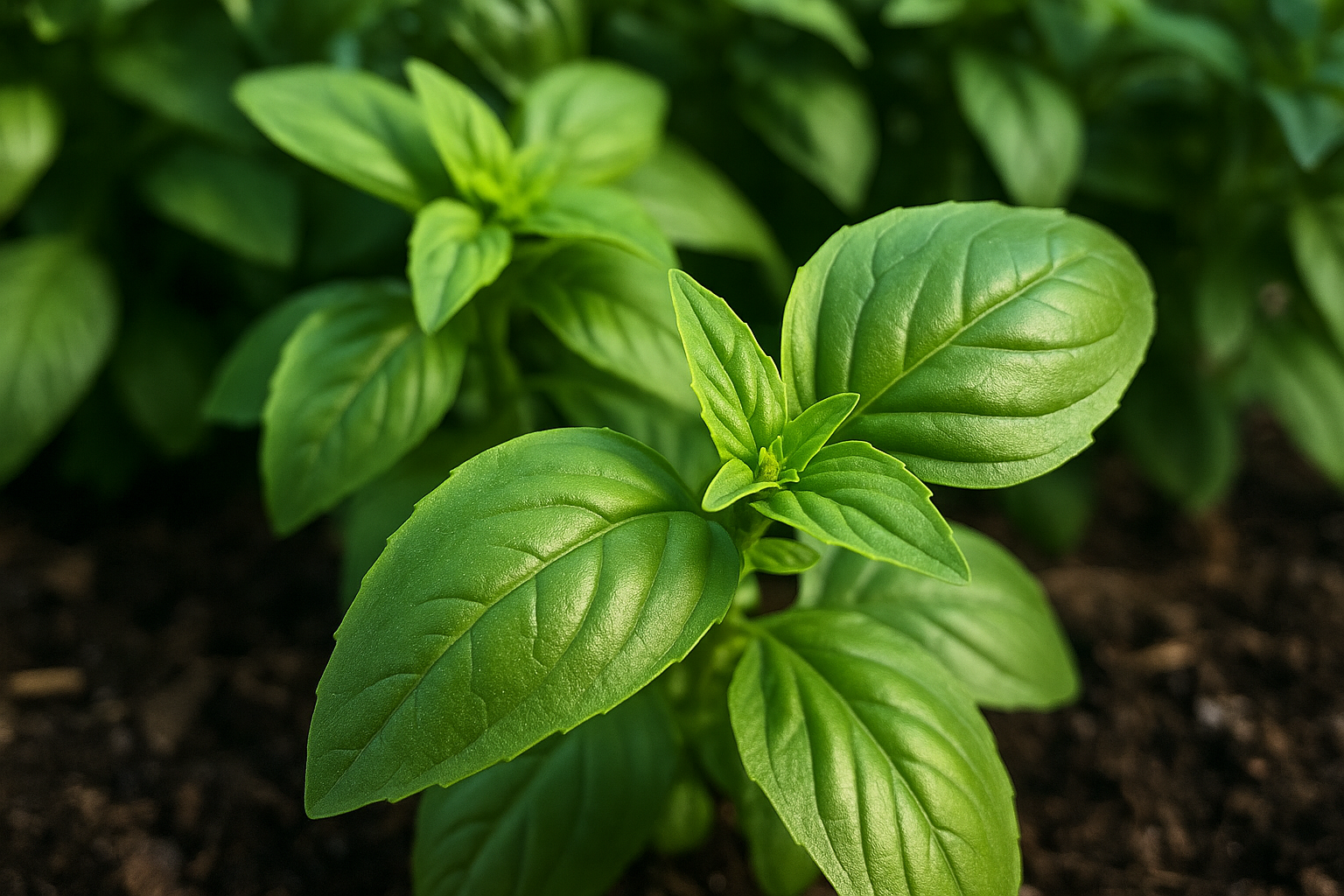
Latin / Scientific Name: Ocimum basilicum
Common Names: Sweet Basil, Great Basil, Tulsi (though Tulsi more accurately refers to Ocimum tenuiflorum), Saint Joseph’s Wort
Family: Lamiaceae (Mint family)
Origin & History
Basil is an aromatic herb native to tropical regions of Africa, India, and Southeast Asia. It has been cultivated for over 5,000 years and is deeply woven into culinary and medicinal traditions around the world. In Ayurveda, basil is considered a sattvic herb , uplifting to the mind and spirit, and has long been used to balance digestion and promote longevity. Ancient Greeks viewed it as a sacred plant, while in Italy it became a symbol of love and fertility.
Although Ocimum basilicum is primarily known as a culinary herb, traditional medicine systems recognized its medicinal value for calming digestion, easing respiratory complaints, and strengthening the nervous system. Modern herbalists still use basil teas and essential oils to promote relaxation, relieve headaches, and support immune health.
Qualities & Traditional Use
Basil is a warming, aromatic, and uplifting herb that supports the digestive, respiratory, and nervous systems. In traditional herbalism, its leaves and essential oils were used to relieve gas, bloating, and stomach cramps. Its carminative and antispasmodic actions help ease tension in the gut and muscles.
In Ayurvedic medicine, basil is considered light and penetrating, promoting mental clarity and reducing excess kapha and vata. It was used to open the sinuses, ease chest congestion, and improve circulation. The herb’s calming scent made it a natural remedy for nervous exhaustion and mild anxiety.
In folk medicine, basil was also brewed as a tonic for coughs, colds, and menstrual irregularities. The essential oil, rich in linalool and eugenol, gives basil its distinctive aroma and contributes to its antimicrobial and anti-inflammatory properties.
Your Healing Begins Here
These guides focus on real women’s health challenges such as hormonal imbalance, mental wellness, inflammation, and everyday physical discomfort.
If you’re ready to stop searching for answers and start following a clear healing plan, these guides will help you take the first step on your wellness journey.
Toxic Components & Mechanism
While culinary use of basil is generally safe, concentrated forms , such as essential oils or extracts, contain active compounds that can cause problems when used in high doses or over long periods.
The main chemical constituents of basil include linalool, eugenol, and methyl chavicol (estragole). Estragole is a naturally occurring compound that, in excessive or prolonged exposure, has shown carcinogenic potential in animal studies. Eugenol, although therapeutic in small amounts, can irritate the digestive tract and liver when overused.
Ingesting large amounts of basil essential oil or extracts can overstimulate the liver, interfere with blood clotting, and cause toxicity symptoms such as dizziness, nausea, or rapid heartbeat.
Risks, Dangers & Side Effects
Basil is safe in moderate food or tea doses, but excessive or improper use may cause adverse effects:
- Liver stress: High doses of essential oil or concentrated extracts may burden the liver due to estragole content.
- Hormonal disruption: Estragole and other volatile oils may mimic estrogenic effects in the body.
- Allergic reactions: Sensitive individuals may develop skin irritation, rash, or respiratory symptoms from topical or aromatic use.
- Blood thinning: Eugenol can enhance the effects of anticoagulant medications and increase bleeding risk.
Basil oil should never be ingested directly or used undiluted on the skin.
Contraindications & Who Should Avoid It
Avoid concentrated basil preparations if you are:
- Pregnant or breastfeeding (estragole may stimulate uterine activity)
- Taking blood-thinning medications such as warfarin or aspirin
- Diagnosed with bleeding disorders or scheduled for surgery
- Living with liver disease or impaired liver function
- Using hormonal therapies, birth control, or estrogen-sensitive medications
- Under 12 years old
Culinary basil in moderate amounts remains safe for most adults, but medicinal doses should only be taken under professional supervision.
References
- National Center for Complementary and Integrative Health (NCCIH): Basil Overview
- European Food Safety Authority (EFSA): Scientific Opinion on Estragole and Eugenol
- Journal of Ethnopharmacology: Phytochemical Analysis of Ocimum basilicum
- WebMD: Basil – Uses, Side Effects, and Safety
- Mount Sinai Health Library: Basil and Essential Oil Safety
- National Library of Medicine (PMC): Antimicrobial and Hepatotoxic Potential of Basil Oils
- Healthline: Basil Benefits and Precautions
Herbal Precautions Disclaimer- The information provided in this herbal precautions post is for educational purposes only and is not intended as medical advice. Herbal information shared through SheFit Wellness reflects traditional use, general research, and holistic education.