Botanical & Common Names
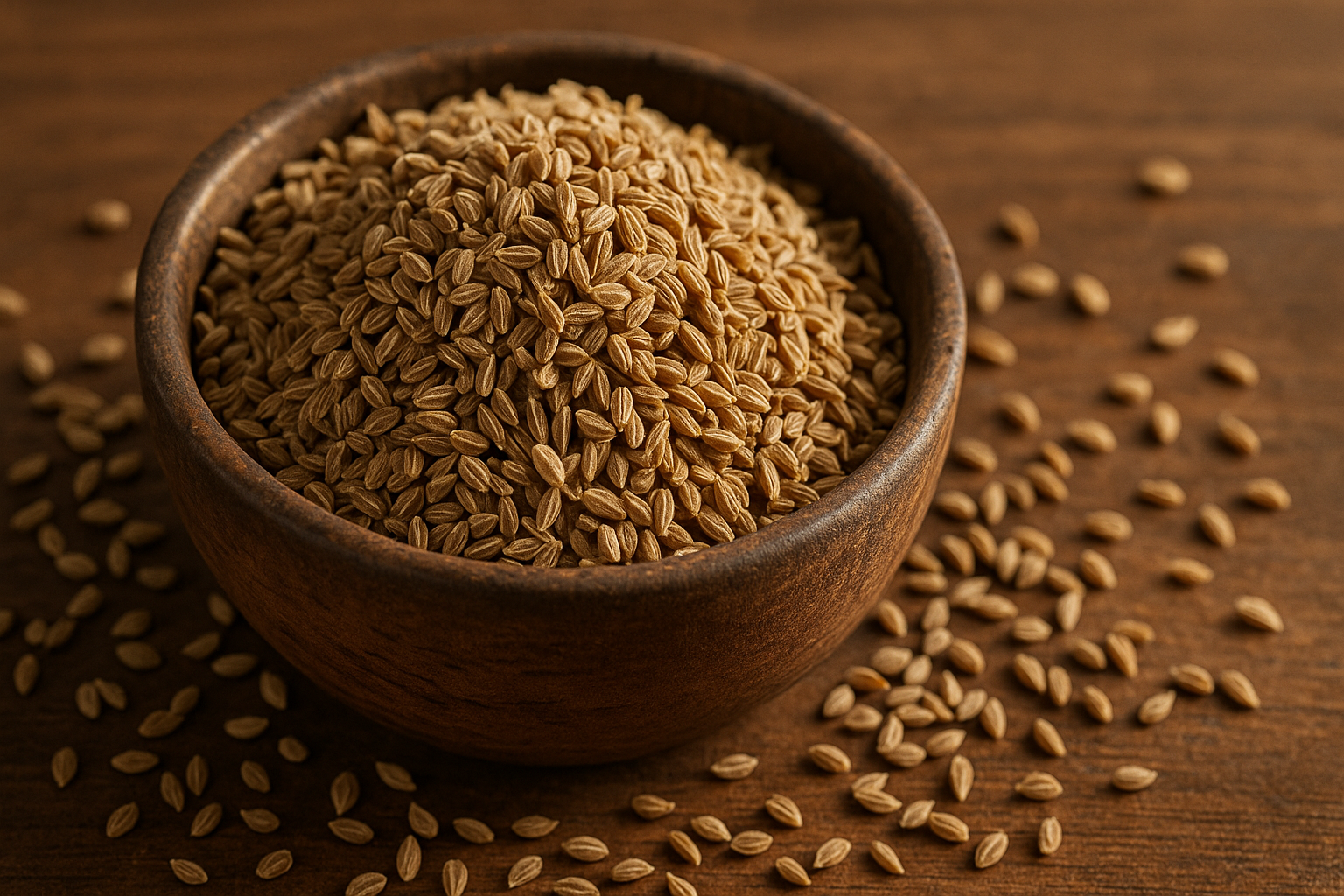
Latin / Scientific Name: Trachyspermum ammi
Common Names: Bishop’s Weed, Ajwain, Ajowan, Carom Seed, Ethiopian Cumin, Omum, Yavani
Family: Apiaceae (Carrot/Parsley family)
Origin & History
Native to regions of the Middle East and North Africa; widely cultivated in India. Used for centuries in Ayurveda and Unani as a warming carminative for digestive and respiratory complaints and as a culinary spice to stimulate appetite and digestion.
Qualities & Traditional Use
Aromatic, pungent, and warming. Traditionally used to relieve gas and bloating, ease spasmodic cramps, support respiratory congestion and cough, stimulate digestive fire (agni), and provide antimicrobial support in the gut and airways.

Your Healing Begins Here
These guides focus on real women’s health challenges such as hormonal imbalance, mental wellness, inflammation, and everyday physical discomfort.
If you’re ready to stop searching for answers and start following a clear healing plan, these guides will help you take the first step on your wellness journey.
Toxic Components & Mechanism
Rich in thymol (phenolic monoterpene) responsible for antimicrobial and spasmolytic actions but irritating in higher doses. Contains furanocoumarins that can photosensitize skin to UV light. Excess thymol exposure may stress hepatic metabolism and overstimulate the nervous system.
Risks, Dangers & Side Effects
- Phototoxic reactions (redness, blistering) with sun exposure after topical use or high oral intake
- Gastrointestinal irritation (heartburn, nausea) at larger doses or with concentrated preparations
- Potential liver stress with prolonged/high-dose use, especially of essential oil
- Nervous system overstimulation (restlessness, tremor) from excessive thymol exposure
- Allergic reactions in sensitive individuals (Apiaceae family cross-reactivity)
Contraindications & Who Should Avoid It
- Use cautiously or avoid with anticoagulant/antiplatelet therapy or bleeding disorders
- Avoid concentrated extracts/essential oil with active liver disease or when using hepatically metabolized drugs
- Avoid if taking photosensitizing medications or with known photosensitivity disorders
- Known allergy to carrot/parsley/celery/dill family warrants avoidance
Avoid use if you are:
- Pregnant or breastfeeding (uterine-stimulating potential; limited safety data)
- Preparing for surgery (discontinue at least 2 weeks prior due to bleeding-risk concerns)
- Managing chronic liver or severe gastrointestinal inflammation without practitioner guidance
Best Practices / Precautions
Use culinary amounts unless directed by a qualified practitioner. Do not ingest undiluted essential oil; always dilute if used externally and avoid direct sun/UV for 24 hours after use. Favor short, targeted courses; rotate with gentler carminatives (e.g., fennel, cumin). Monitor for digestive irritation; discontinue if adverse effects occur. Consult a professional before combining with medications.
Summary
Bishop’s Weed fruit (Ajwain) is a potent, warming carminative that can quickly settle the gut and support the airways. Its strength comes with responsibilities: respect photosensitivity risks, dose conservatively, and avoid prolonged or high-intensity use—especially of essential oil. Within the SheFit Wellness approach, treat Ajwain as a strategic herb used intentionally, in small amounts, alongside nutrition, hydration, and rest.
References
- Healthline – Ajwain (Carom Seeds): Benefits, Nutrition, and Side Effects
- RxList – Bishop’s Weed: Health Benefits, Uses, Side Effects
- WebMD – Ajwain: Overview, Uses, Side Effects, Precautions
- NCBI – Pharmacological and Therapeutic Effects of Trachyspermum ammi (L.)
- ScienceDirect – Thymol: Chemistry, Pharmacology, and Toxicology Overview
Herbal Precautions Disclaimer- The information provided in this herbal precautions post is for educational purposes only and is not intended as medical advice. Herbal information shared through SheFit Wellness reflects traditional use, general research, and holistic education.