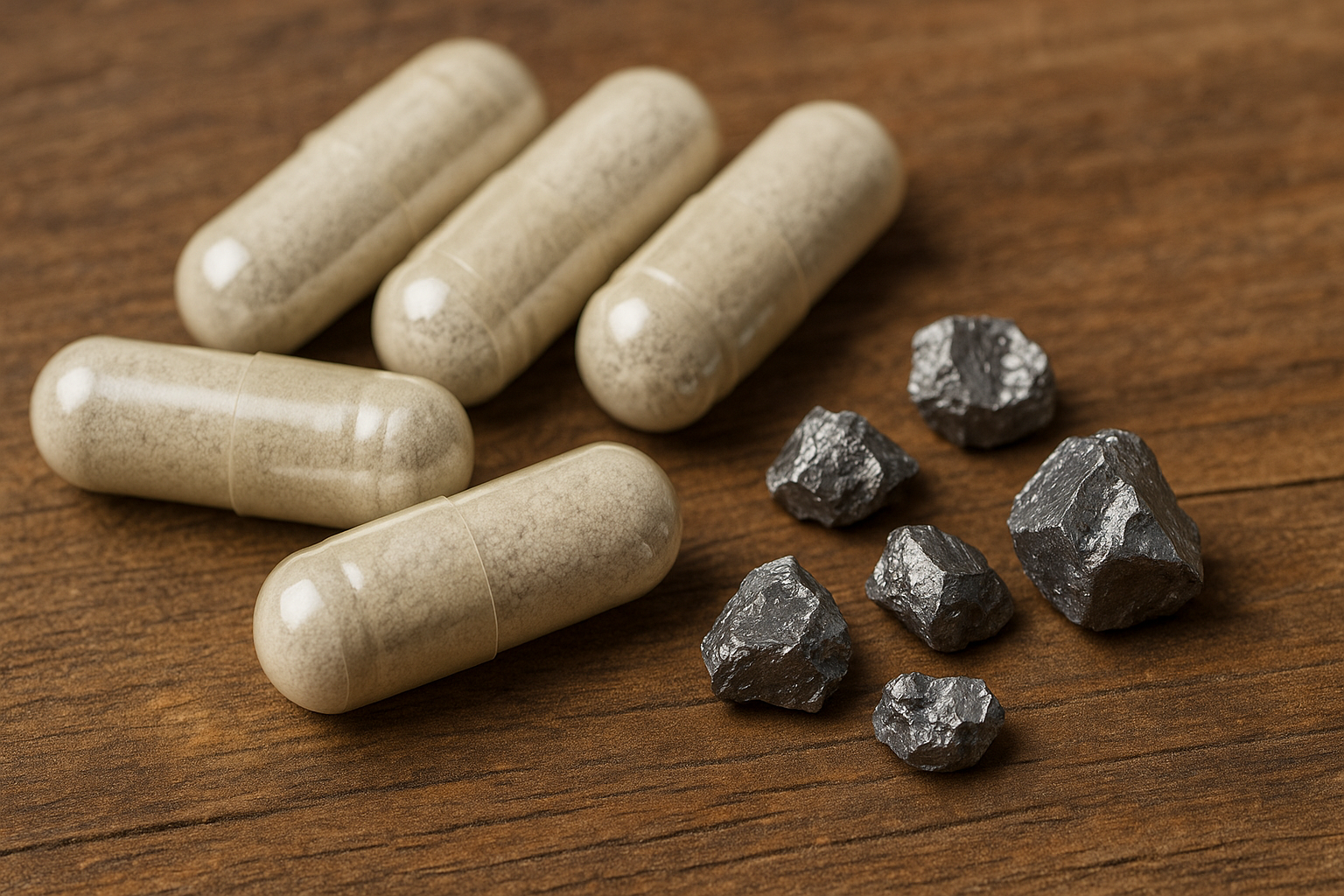
Botanical & Common Names
Latin / Chemical Name: Germanium sesquioxide (Ge-132), Organic Germanium, Germanium Dioxide
Common Names: Germanium, Organic Germanium, Carboxyethylgermanium Sesquioxide, Ge-132
Family: Elemental Metalloid (not a botanical herb, but often marketed as a “natural trace mineral”)
Origin & History
Germanium is a naturally occurring element found in small amounts in soil, plants, and certain medicinal herbs such as ginseng, garlic, and aloe. In the 1970s and 1980s, Japanese chemists developed a synthetic form known as organic germanium (Ge-132), which quickly gained popularity as an “immune-boosting” supplement. Promoted for its supposed anti-cancer and detoxifying effects, it became a health trend in alternative medicine circles. However, by the late 1980s, reports of severe kidney toxicity, nerve damage, and even death linked to germanium supplements led to global regulatory warnings and bans in many countries.
Qualities & Traditional Use
Germanium was marketed as a detoxifier, immune enhancer, and oxygenator, believed to help the body eliminate toxins, improve oxygen utilization, and enhance vitality. Advocates claimed it stimulated the immune system and increased cellular energy, leading to benefits for cancer, arthritis, and viral infections. However, these claims were never supported by credible scientific evidence. In truth, while trace amounts of germanium exist in some foods, the body does not require it, and supplementation provides no proven health benefit.

Your Healing Begins Here
These guides focus on real women’s health challenges such as hormonal imbalance, mental wellness, inflammation, and everyday physical discomfort.
If you’re ready to stop searching for answers and start following a clear healing plan, these guides will help you take the first step on your wellness journey.
Toxic Components & Mechanism
Germanium’s toxicity primarily involves its accumulation in the kidneys. Both inorganic (germanium dioxide) and organic forms (Ge-132) can lead to nephrotoxicity, or kidney damage, when ingested in excessive or prolonged doses. The element accumulates in kidney tissues, interfering with normal filtration and cellular metabolism. This causes oxidative stress, inflammation, and irreversible scarring of renal tissue.
High levels of germanium also affect the nervous system, leading to weakness, numbness, and loss of motor coordination. Because germanium cannot be easily excreted, its buildup in the body results in progressive toxicity over time, even when doses appear moderate.
Risks, Dangers & Side Effects
The dangers of germanium supplements are well-documented. Reported side effects include kidney failure, muscle weakness, nerve damage, fatigue, anemia, and bone pain. Prolonged use can result in renal failure and death. Even “organic” germanium, falsely marketed as safe, has caused permanent kidney injury in multiple case reports. Additional symptoms may include nausea, vomiting, weight loss, skin eruptions, and loss of appetite. Once damage occurs, recovery is often incomplete.
Due to these risks, germanium-containing dietary supplements have been banned or restricted in countries such as Japan, Canada, Australia, and several in the EU.
Contraindications & Who Should Avoid It
Avoid use if you are:
- Pregnant or breastfeeding
- Living with kidney or liver disease
- Taking diuretics, chemotherapy, or nephrotoxic medications (such as NSAIDs or antibiotics)
- Diagnosed with neurological disorders or chronic fatigue syndrome
- Using other heavy metal or trace mineral supplements
Germanium should never be taken with other supplements claiming to “oxygenate the blood” or “detoxify the body,” as these are often unregulated and may intensify toxicity.
Best Practices / Precautions
Germanium has no known nutritional requirement or health benefit, and no safe dosage has been established. Consumers should avoid all supplements containing germanium, regardless of form. Claims that “organic germanium” is non-toxic are false. The only naturally safe exposure comes from trace amounts found in foods such as garlic or aloe, which are nutritionally insignificant. Always review product labels for ingredients like “Ge-132,” “germanium sesquioxide,” or “germanium dioxide,” and avoid any brand promoting detox or cancer-related benefits linked to this compound.
Summary
Germanium serves as a cautionary tale in the wellness industry, proof that not everything labeled “natural” is safe. Once marketed as a miracle mineral for immunity and longevity, it is now recognized as a toxic metalloid capable of causing irreversible kidney damage and death. With no proven therapeutic value and significant documented harm, germanium has no legitimate place in herbal or nutritional medicine. For detoxification and immune balance, focus instead on proven, plant-based approaches such as hydration, liver-supportive herbs, and balanced nutrition.
References
- National Center for Complementary and Integrative Health (NCCIH): Germanium Overview
- National Library of Medicine (PMC): Germanium-Induced Nephrotoxicity Case Reports
- U.S. Food and Drug Administration (FDA): Consumer Advisory on Germanium-Containing Supplements
- Journal of Toxicology and Environmental Health: Chronic Toxicity of Germanium Compounds
- MedlinePlus: Germanium – Risks, Side Effects, and Warnings
- Healthline: Germanium Supplements: Why They’re Dangerous
- Mount Sinai Health Library: Germanium – Safety, Toxicity, and Lack of Benefits
Herbal Precautions Disclaimer- The information provided in this herbal precautions post is for educational purposes only and is not intended as medical advice. Herbal information shared through SheFit Wellness reflects traditional use, general research, and holistic education.